Menu

HomeNews & OffersNewsExclusive Interview with Dr. Friedrich Wille, CEO of FREYWILLE – “Be creative, and you will be happy. Creativity depends, above all, on enthusiasm.”
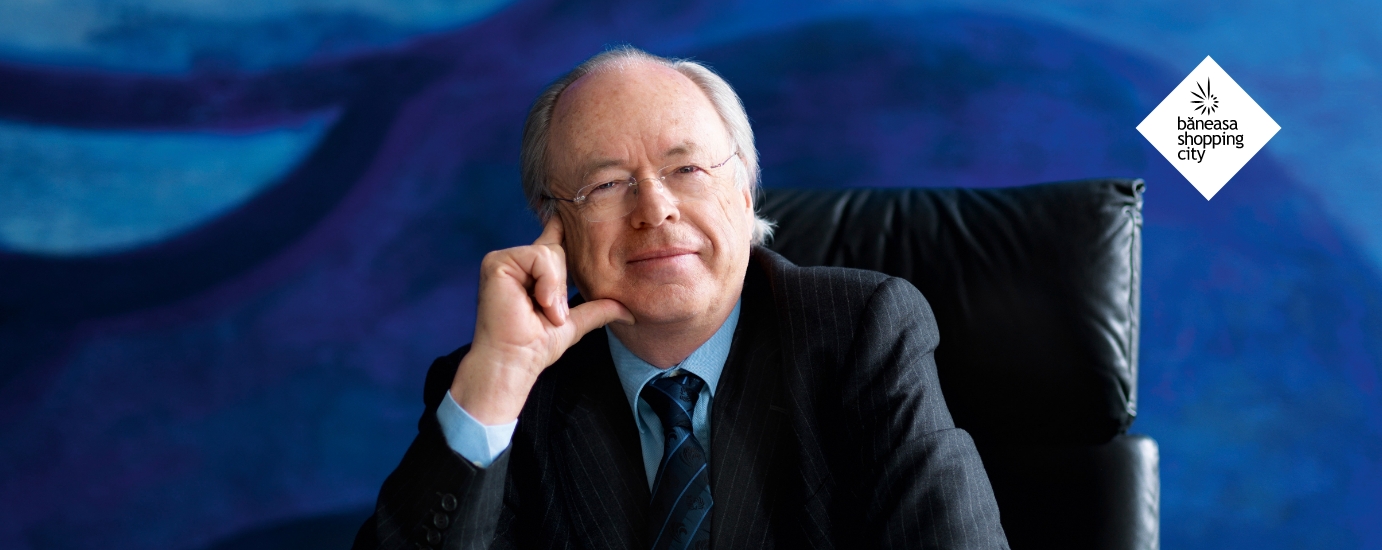
Exclusive Interview with Dr. Friedrich Wille, CEO of FREYWILLE – “Be creative, and you will be happy. Creativity depends, above all, on enthusiasm.”
On the occasion of the 75th anniversary of the founding of FREYWILLE - a milestone that coincided with the launch of its latest collection, Hommage à Alphonse Mucha - Mucha Paris Pastel - Dr. Friedrich Wille, CEO of FREYWILLE, visited Băneasa Shopping City.
In a conversation about the love of art, the enthusiasm that fuels originality, creativity, inspiration, passion, and dedication, we spoke with the man who, for over four decades, has been transforming art into jewelry—and jewelry into art worn on the skin.
What dreams and hopes guided you when you first stepped into the world of art and design?
Dr. Wille: Looking back, a very important chapter began in ’93, when we were already very well known in Paris. Before that, we frequently explored various artistic themes. One of the collections that significantly contributed to our success was centered on Egyptian pharaohs, developed in the late ’80s and early ’90s. We also created collections inspired by Roman and Greek art, as well as folk art.
A defining moment came when we were approached by the Claude Monet Foundation to develop a collection dedicated to Monet - this changed our lives. They challenged us to bring a new artistic approach from a technical perspective, to create a new work of art that would remind those who wear or view it of the artist’s creations. Copying was never an option - we set out from the beginning to develop an entirely new creation, inspired by elements or ideas from the artist’s work.
It was difficult to identify classical decorative elements in his paintings, as his style was highly impressionistic. The way he saw and depicted the world was also influenced by his poor eyesight. To this day, this remains a reference point for me: how you perceive things when you don’t see them clearly - as if there’s a slight veil or mist before your eyes. I believe what he painted was, in a way, the opposite of clarity - it was about imagination, about what he thought he saw. I was deeply fascinated by his work, and when we began developing our first collection dedicated to him, we worked very closely with the foundation. Even today, this collection is having great success and is sold at the foundation in Giverny, about an hour and a half from Paris, on the banks of the Seine.
Who was the first person who truly believed in your vision and in the FREYWILLE project?
Dr. Wille: The founder of the company was the person I worked with closely until her passing in the early ’80s - our collaboration was extremely strong. We shared a passion and fascination for art, exploring it together, and thanks to this, we opened important doors, including our collaboration with Hermès in Paris, which began in ’78.
After her passing, I continued working with the CEO of Hermès. He greatly appreciated the idea of this material - fired enamel, which he called “the noble material of fire”- because of the pleasant sensation it offers when touching the skin. We truly loved every moment of creating for Hermès - capturing the spirit of the House through creations inspired by horses and saddles, emblematic elements of the brand. We are happy to know that our creations have enjoyed success for over 30 years.
This collaboration also opened many other doors for us in France, bringing partnership proposals from Dior, Paco Rabanne, Cartier, and others. However, we could only collaborate with them occasionally, as Hermès desired exclusivity - and I embraced that idea.
After working with the Claude Monet Foundation, we were approached by several other foundations, such as the Mucha Foundation and the Victoria and Albert Museum. In Vienna, we were also contacted by the Hundertwasser Foundation, at which point I said, “Wait a moment - we must first see what we can do for Gustav Klimt,” since he lived before Friedensreich Hundertwasser. Klimt passed away in 1918 but left behind unforgettable, truly remarkable works of art. Thus, you can see how our ideas were born organically and naturally, and how we decided which other themes to explore and which new works of art to develop.
Being Viennese, and with Vienna being one of the most important centers of Art Nouveau - a place of creativity not only in painting but also in architecture, literature, and lifestyle - the influence of this movement was immense. Viennese lifestyle was admired throughout Europe. Of course, there were other important cultural centers, such as Paris, Berlin, or Milan, but I believe the peak was in Vienna. This conviction was formed in my childhood - my father deeply loved art and music, and these passions always went hand in hand. There were five of us, and we constantly visited museums and exhibitions. Every vacation was, in fact, dedicated to art. My father would bring his book and say, “Pay attention to this and this,” often in churches as well as museums.
Another important mention: my wife has also always believed in me and in my vision.
What message would you like each FREYWILLE piece to convey to the person wearing it?
Dr. Wille: At FREYWILLE, we create tributes to famous artists - this is currently our main theme. Each piece of jewelry is a work of art itself, an original creation protected by copyright, meaning it cannot be copied without consequences. The creation process is complex and can take two or even three years.
Naturally, we want these works of art to reach admirers of these artists - those who love them and wish to wear them symbolically on their own skin. To look at them every day, at any moment they wish. There are many people who deeply love art and feel it is part of their lifestyle and identity.
What motivates you to continue creating and building this artistic legacy?
Dr. Wille: Motivation is not about money. If money were at the center, we could not be truly creative. Money must come much later. Of course, it must exist - we cannot create if we don’t sell, cover costs, and maintain a reasonable margin - but that is only one aspect.
Creativity depends, above all, on enthusiasm. We must be truly convinced by the artist we approach. That is why we do something very important: we study the artist’s life in detail, discuss it extensively, and our team of artists conducts thorough research. It is essential to analyze artworks to understand in which period of their life they were created. Everything is about evolution, and this helps us better understand each piece.
Then, with all this information, ideas begin to take shape in the minds of FREYWILLE artists - sometimes even unconsciously, while sleeping or dreaming. It is a process that takes time. Eventually, ideas take form: they sit down, start with pencil sketches, develop drawings that resemble paintings - already conceived as jewelry pieces.
What advice would you like to give to young creators who want to leave their mark in art and design?
Dr. Wille: Before anything else, I would turn the advice into a question: how much does art inspire and move you? All artists must, of course, be passionate about art—but art is a very general term. What truly matters is that a creator can express their own ideas and offer them to the world. It is great pride to create something truly beautiful.
So - be creative, and you will be happy. This is also the case for FREYWILLE artists: they are extremely happy when creating something new, an original work of art. If we copied other artists’ works, they would no longer be true works of art and could not be protected. We never copy anything - creativity must be authentic.
When we recruit artists, the first thing we look at is their work - the way they express their talent. At present, we work almost exclusively with women - 95% of our artists are women, creating for other women. However, the role of men should not be underestimated - very often, they are the ones who discover our creations and purchase jewelry for their loved ones, creating special surprises for their partners.
For a man, it can sometimes be difficult to find a truly distinctive gift, and a successful surprise is genuinely something special. When a man finds a piece of jewelry he likes and knows his partner will appreciate it as well, he has certainly found the perfect gift. The feedback we receive is always very positive, and many return to discovering new creations, confident that these will be well-received and appreciated gifts.
How can parents encourage their children to seek and discover art?
Dr. Wille: There is currently a broad discussion on this topic, especially regarding the misuse of social media by young people under 14–16. The best way is, of course, to visit museums and exhibitions, accompanied by enthusiastic explanations - enthusiasm becomes contagious!
This was our approach as a family: my wife is an artist, and every vacation - even when spent apart - was dedicated to art. We visited major museums, for example in New York, and when our son was 10, he enjoyed creating “reports,” taking photos - anything he was allowed to do. That’s how we discovered his tastes and interests, and his engagement was very high.
I believe this is the most important influence a parent can have. Children will love art if that love is cultivated, explained, and allowed to be discovered - it does not happen automatically. Cultural education and early exposure are essential.